The Rich Heritage of Raphia
Raphia is a remarkable material that has been cherished for centuries, not just for its practical uses, but also for its deep cultural significance. Originating from the Raphia palm, which thrives in the tropical regions of Africa, raphia is synonymous with artisan craftsmanship and sustainable fashion. In recent years, it has emerged as a key player in the eco-conscious fashion movement. When exploring options, raphia offers a wealth of choices that reflect both beauty and ethical production.
Exploring the Origins of Raphia
The raphia palm, known scientifically as Raphia farinifera, is native to Madagascar and several other tropical regions. This palm can grow up to 25 metres tall and is distinguished by its long, sweeping leaves which can measure up to 20 metres in length. Historically, the fibres harvested from these leaves have been used for various applications, including basketry, mats, and, most prominently, bags. The indigenous communities have cultivated a unique relationship with the raphia palm, utilising its resources in a sustainable manner that fosters both economic development and cultural preservation.
The Cultural Significance of Raphia in Madagascar
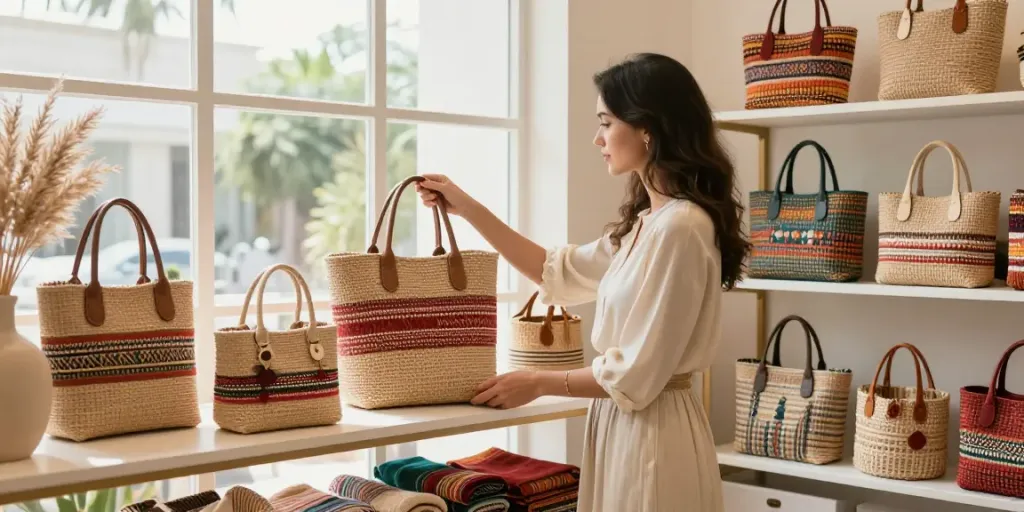
In Madagascar, the raphia palm is not merely a plant; it embodies a way of life. The craftsmen and women who weave raphia bags often come from generations of artisans, passing down their skills and techniques. Their work is a testament to the rich cultural tapestry of the region, where each bag tells a story of its creator and the environment from which it originates. This cultural heritage adds immense value to each piece, making raphia bags more than just accessories; they are symbols of tradition and authenticity.
Craftsmanship: The Art of Weaving Raphia
The process of weaving raphia is an art form that requires skill, patience, and dedication. Artisans prepare the raphia fibres by soaking and flattening them, which allows for flexibility during the weaving process. Each bag is crafted by hand, ensuring that no two pieces are alike. The intricate patterns and vibrant colours reflect the natural beauty of Madagascar and showcase the artisan's creativity. This craftsmanship not only contributes to the durability of the bags but also elevates them to a status of luxury in the fashion world.
Choosing the Perfect Raphia Bag
When it comes to selecting a raphia bag, there are several factors to consider to ensure that you find the perfect piece to add to your collection. Raphia bags are not only fashionable but also highly functional, making them suitable for various occasions.
Factors to Consider When Selecting a Raphia Bag
- Size: Consider how you intend to use the bag. Smaller bags may suit casual outings, while larger totes are ideal for daily errands.
- Design: Look for designs that resonate with your personal style. Whether you prefer classic or contemporary aesthetics, there is a raphia bag to match.
- Quality: Ensure that the craftsmanship is impeccable, with tight weaves and high-quality finishes.
- Sustainability: Opt for brands that source their raphia sustainably, supporting the artisans and their communities.
Raphia vs. Synthetic Materials: What’s Best for You?
The decision between raphia and synthetic alternatives often hinges on personal preference and ethical considerations. Raphia boasts natural durability, breathability, and a unique aesthetic that synthetic materials struggle to replicate. Additionally, choosing raphia supports traditional craftsmanship and sustainable practices, making it a superior choice for the environmentally conscious consumer.
Style Tips for Integrating Raphia Bags into Your Wardrobe
Raphia bags are incredibly versatile and can be styled for numerous occasions. Pair a structured raphia tote with tailored trousers for a chic office look or integrate a vibrant raphia beach bag into your summer wardrobe for added flair. Accessories such as scarves or pins can also enhance the personal style of your bag, making it a true reflection of your individuality.
Caring for Your Raphia Bag
To maintain the beauty and integrity of your raphia bag, proper care is essential. Raphia, while durable, requires thoughtful handling to prevent damage.
Best Practices for Maintaining Raphia Quality
- Avoid Excessive Moisture: Raphia fibres can swell when wet, potentially distorting the shape of the bag. Keep your raphia dry, and avoid exposing it to heavy rain.
- Store Properly: When not in use, store your raphia bag in a cool, dry place away from direct sunlight to prevent fading and drying.
- Avoid Overloading: While raphia bags are sturdy, overstuffing can deform the shape and compromise the structure.
How to Clean and Store Your Raphia Bag
For cleaning, gently dust your raphia bag with a soft cloth. If deeper stains occur, spot cleaning with a damp cloth and mild soap can help. Always ensure that the bag is completely dry before storing it away. Additionally, consider using a dust bag to protect it from dust and dirt.
Extending the Lifespan of Your Artisan Bags
Regular maintenance and mindful usage can significantly extend the lifespan of your raphia bag. Incorporating these practices will not only preserve the aesthetics but also retain its artisanal value over time.
Raphia Trends in 2026
As we look towards 2026, the raphia bag continues to evolve, embracing innovative designs while remaining rooted in tradition. Fashion enthusiasts and eco-conscious consumers alike are eager to explore the latest trends.
Emerging Styles and Designs for the Upcoming Season
Upcoming trends indicate a shift towards bold, bright colours and intricate patterns that pay homage to traditional weaving techniques. Smaller, more structured designs are predicted to rise in popularity, appealing to consumers seeking a blend of elegance and functionality.
Influencers and Brands Leading the Raphia Movement
As the raphia trend gains momentum, numerous influencers and brands are championing this sustainable material. Collaborations between artisan communities and fashion houses are becoming more prevalent, bringing visibility to the craftsmanship of raphia while providing a platform for artisans to thrive.
The Future of Ethical Fashion Involving Raphia
The future of raphia in fashion aligns closely with the growing emphasis on sustainability and ethical production. Consumers are increasingly prioritising transparency and social responsibility, which bodes well for the future of raphia as a fashion staple.
Real Stories: Customers and Their Raphia Experiences
The true testament to the allure of raphia bags lies in the stories shared by satisfied customers. Their experiences often highlight the personal connection they have developed with these artisan-crafted accessories.
Customer Testimonials: The Love for Raphia
Many customers express admiration not only for the beauty of their raphia bags but also for the artistry involved in their creation. Testimonials reveal a recurring theme of appreciation for the authenticity and soul embedded in each piece.
Sharing Your Raphia Story: How to Engage with the Community
Engaging with fellow raphia enthusiasts can enhance your appreciation for these bags. Sharing your experiences on social media platforms or community forums fosters a sense of belonging among fans of artisan fashion.
Building a Sustainable Fashion Identity with Raphia
By choosing raphia bags, consumers contribute to a shift in the fashion landscape towards sustainability. These choices not only reflect personal style but also align with a greater commitment to ethical fashion.
What’s the Environmental Impact of Raphia Fashion?
The environmental impact of raphia is significantly lower compared to synthetic materials. The use of natural fibres reduces reliance on fossil fuels, and the sustainable harvesting practices associated with raphia production contribute positively to the ecosystem.
How to Style Raphia for Different Occasions?
Styling raphia bags for various occasions requires a thoughtful approach. Pairing them with light, airy outfits in summer enhances the casual vibe of beach outings, while sophisticated attire allows raphia bags to shine in formal settings. Experimenting with different accessories can also create unique looks tailored to specific events.